
The Nature of Luck in Casino Games
Luck is often perceived as a mystical force influencing the outcomes of games in casinos, where chance plays a significant role. Many players enter these establishments believing that luck can be harnessed or manipulated to their advantage, especially when they seek the best online pokies nz that promise exciting wins. However, defining luck in a quantifiable manner proves to be quite elusive, as it varies from individual to individual and game to game. While some may consider themselves 'lucky’ based on personal experiences or past successes, the reality is often grounded in statistical probabilities. This inherent variability makes the concept of luck both intriguing and complex.
In most casino games, especially those that rely on random number generation, luck manifests in unpredictable ways. For instance, a player might win several rounds of a card game in a row, reinforcing the belief that their luck is favorable. Yet, such outcomes result from randomness rather than any measurable quality of luck. This duality creates a fascinating tension between perception and reality, with players frequently attributing their wins or losses to luck without recognizing the underlying mathematical structures. The randomness of outcomes can lead to a cycle of belief where players feel empowered by their lucky streaks, only to face disillusionment when luck turns against them.
Moreover, the concept of luck can change based on a player’s perspective and experiences. Some may view it as a finite resource, believing they are due for a win after a string of losses, while others may adopt a pragmatic approach, understanding that losses can, and often do, occur. Additionally, cultural differences can influence how luck is perceived; some cultures may attribute success to fate or destiny, while others may focus on personal skill and strategy. As such, the measurement of luck in casino games remains a subjective experience intertwined with human psychology and emotional responses to risk and reward.
The Role of Mathematics and Probability
Mathematics is foundational to the operation of casino games, making it essential to understand how probability impacts outcomes. Each game is designed based on a specific set of rules that determine the likelihood of various results, which can be analyzed mathematically. For example, in games like roulette, the odds of landing on a particular number are fixed regardless of how many times that number has come up in the past. This mathematical certainty highlights the unpredictability of luck, as no amount of previous outcomes can alter future results. Understanding these probabilities can help players make more informed decisions.
In slot machines, the mechanics are similarly rooted in mathematics, relying on random number generators to determine outcomes. Each spin is independent, meaning that the notion of luck does not carry over from one spin to the next. Players often believe that they can predict when a machine is 'due’ for a payout based on personal experience, but this belief can lead to misconceptions about the randomness of each play. Therefore, while luck contributes to the excitement of the game, it is ultimately intertwined with mathematical probabilities. This reliance on mathematics can demystify the concept of luck, revealing that it is not as whimsical as many players might think.

This does not suggest that luck is irrelevant; rather, it highlights the importance of understanding how it operates within the context of probability. Knowledge of the odds allows players to make informed decisions, enhancing their gaming experience. Players who grasp the underlying mathematics may find that while they cannot measure luck, they can navigate the unpredictable nature of outcomes with greater confidence and strategy. Ultimately, a solid understanding of probability equips players to approach their gaming experience with a balance of luck and skill.
Psychological Factors in Gambling
The psychology of gambling plays a critical role in how players perceive luck in casino games. People often develop cognitive biases, such as the illusion of control, whereby they mistakenly believe they can influence random events. This can lead to a false sense of luck, prompting some players to engage in specific rituals or habits when approaching a game. For instance, certain players might wear lucky clothing or perform specific actions before they play, hoping to harness a favorable outcome. These behaviors illustrate how the mind can create patterns where none exist, further complicating the understanding of luck.
Additionally, emotions heavily influence gambling behavior. Winning can create an adrenaline rush, reinforcing the player’s belief in their own luck. Conversely, a streak of losses can lead to frustration and diminished confidence. These psychological elements contribute to a complex interaction with the concept of luck, obscuring a player’s ability to view their experiences objectively. By recognizing these psychological influences, players may be better equipped to manage their expectations and decisions in casino environments. Understanding the emotional rollercoaster of gambling can help players maintain a healthier relationship with their gaming habits.
Moreover, the social dynamics of gambling—such as observing other players’ behaviors—can impact one’s perception of luck. Social proof can create a sense of hope and optimism, as witnessing others win can lead players to believe they too will experience similar fortunes. This blend of psychology and social influence complicates the notion of luck, intertwining individual beliefs and group dynamics into the gambling experience. Players may find themselves caught in a cycle of comparison, where the perceived luck of others directly affects their own feelings towards their gameplay.
Strategies for Minimizing Risk
Even with the inherent uncertainty associated with luck in casino games, players can adopt strategies to minimize their risk and make the most of their gaming experience. A fundamental approach involves setting a budget and adhering to it, ensuring that emotional responses do not lead to reckless decisions. By establishing spending limits, players can approach gambling as a form of entertainment rather than a means of achieving financial gain, thus mitigating the emotional rollercoaster often tied to luck. This proactive measure helps players to maintain control over their gaming habits.
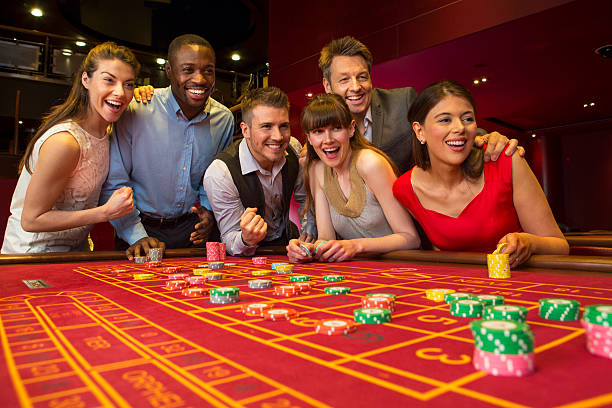
Additionally, understanding the rules and odds of specific games empowers players to make informed choices. Knowledge of which games offer better odds can significantly impact a player’s overall experience and outcomes. For example, games like blackjack may present a higher chance of winning with proper strategy compared to games purely based on chance, such as slots. By focusing on games with a more favorable risk-to-reward ratio, players may feel more in control of their fate, reducing reliance on luck alone. This informed approach fosters a more strategic mindset towards gambling.
Furthermore, maintaining a level head during gameplay is crucial. Recognizing when to walk away—whether after a win or a loss—helps prevent the common pitfalls associated with chasing losses or becoming overconfident. This self-awareness allows players to treat gambling as it is intended—an enjoyable experience—while acknowledging the unpredictable nature of luck and the critical influence of strategy and responsible gaming behavior. Players who develop discipline around their gaming habits can enjoy the thrill of the game while minimizing the risks associated with luck.
Exploring Further Resources and Insights
For those who wish to delve deeper into the intricate relationship between luck and casino games, various resources are available that explore this captivating subject. One can find insightful articles and studies that dissect player behavior, the psychology of gambling, and statistical analyses of different games. Engaging with literature in these areas can deepen the understanding of how luck is perceived and its actual impact on gambling outcomes. This exploration can be particularly beneficial for those looking to enhance their skills and strategies.
Moreover, websites dedicated to gaming strategies and responsible gambling practices offer valuable insights into refining skills and minimizing risks. These resources can serve as essential tools for both novice and experienced players, equipping them with the knowledge needed to approach casino games more strategically. By understanding the interplay between luck, probability, and responsible gaming, players can enhance their overall experience and enjoyment. The right resources can empower players to approach their gambling endeavors with a balanced mindset.
In conclusion, the question of whether luck can be measured in casino games ultimately remains open to interpretation. While players often perceive luck as a vital factor in their success, the underlying mathematics of games and psychological influences complicate its measurement. By exploring a variety of resources and strategies, players can navigate the casino landscape with a clearer understanding of their relationship with luck and probability. Ultimately, this nuanced understanding can lead to a more enriching gambling experience, allowing players to appreciate the role of luck without losing sight of the importance of strategy and responsible play.